


Release Strategy for Purchase Order in SAP MM

Updated: Mar 31
The Release Strategy for Purchase Order in SAP MM defines the approval process for purchase requisitions or external purchasing documents. The strategy specifies the release codes necessary and the sequence in which releases have to be affected. You can define a maximum of eight release codes.
Steps to configure Release Strategy for Purchase Order in SAP MM
1. Edit Characteristic
Classification characteristics are the criteria for a release condition. If the criteria of a release condition are satisfied, the associated release strategy is assigned to the purchasing document.
Path to Edit Characteristics
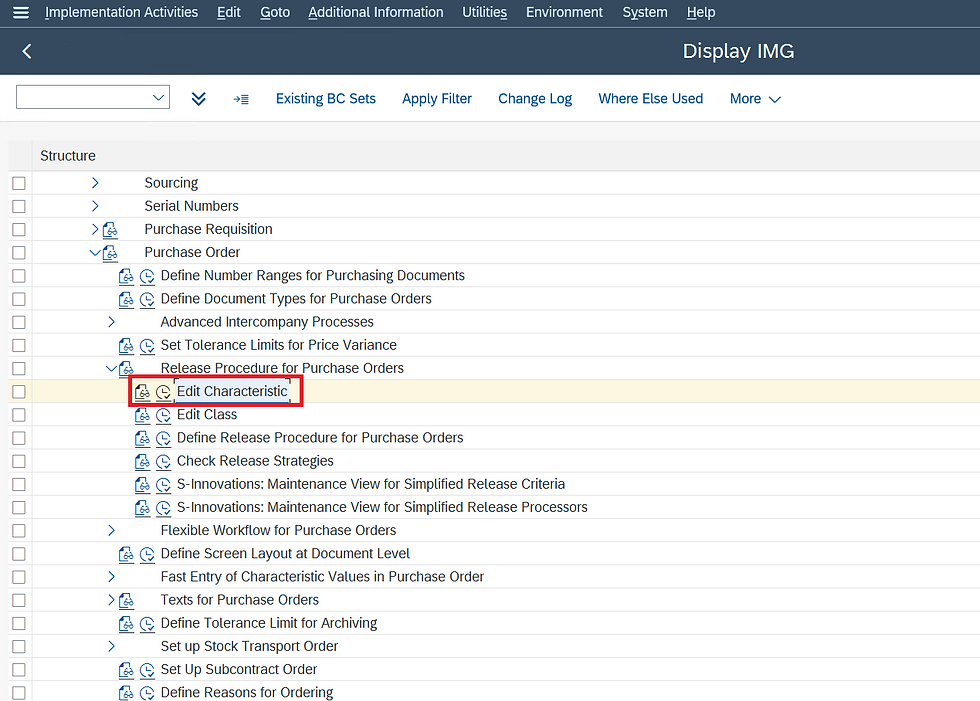
IMG ⇒ Materials Management ⇒ Purchasing ⇒ Purchase Order ⇒ Release Procedure for Purchase Order ⇒ Edit Characteristics
T Code: CT04
STEP 1: On the Display IMG screen, select Edit Characteristics, by following the above path.
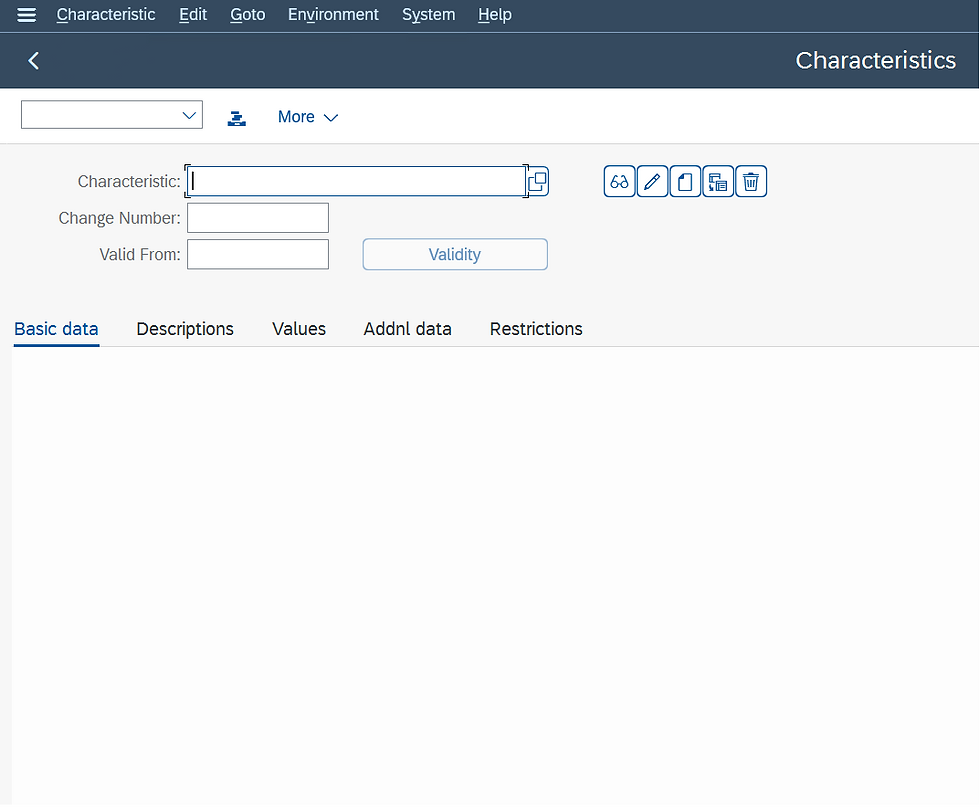
STEP 2: Enter the characteristics name.
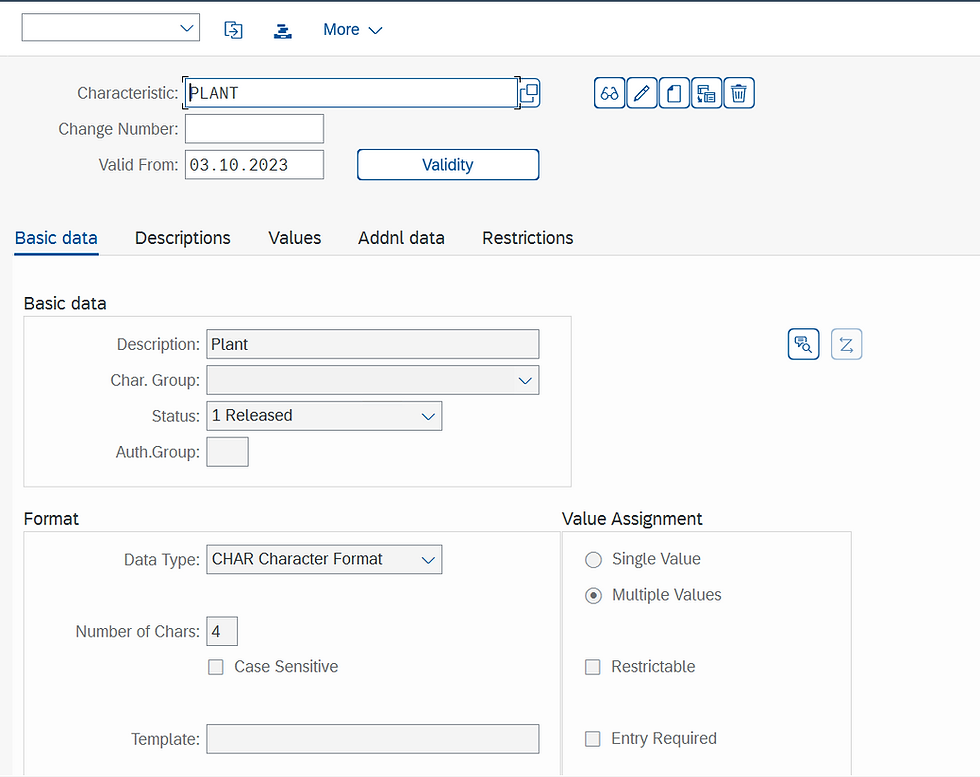
STEP 3: In basic data fill in fields like description, Data type, and Number of characters and select multiple values.
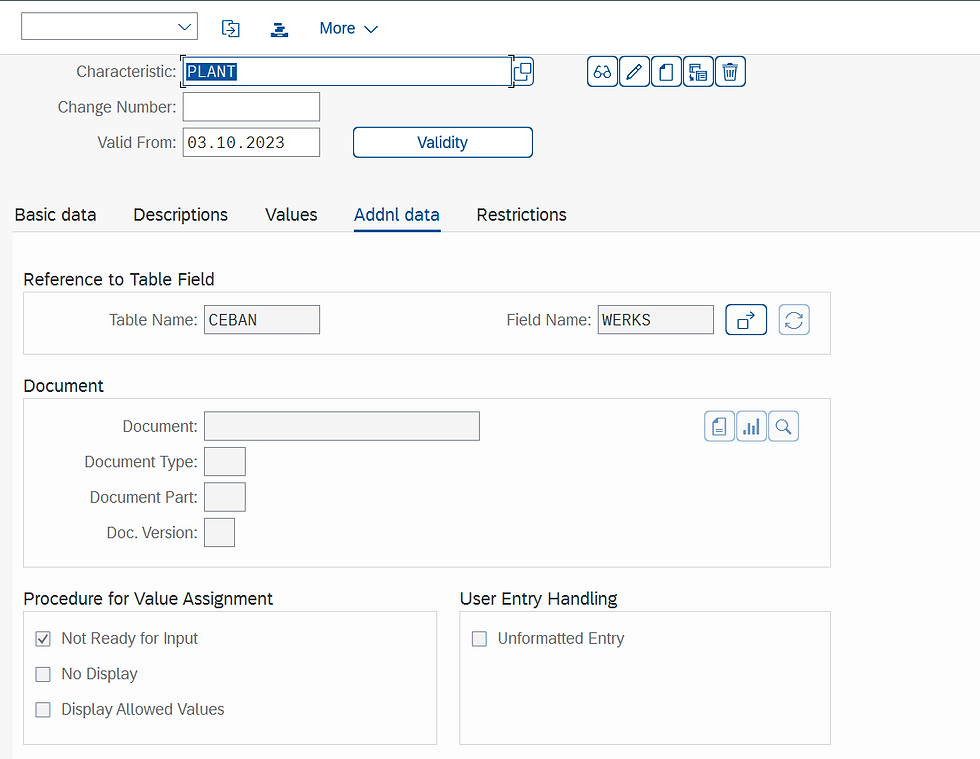
STEP 4: In additional data fill in table name and field name. For the table and field name, we can take reference of SE16N or SE16.
STEP 5: In restrictions fill in the class type as 032 which is release strategy and save.
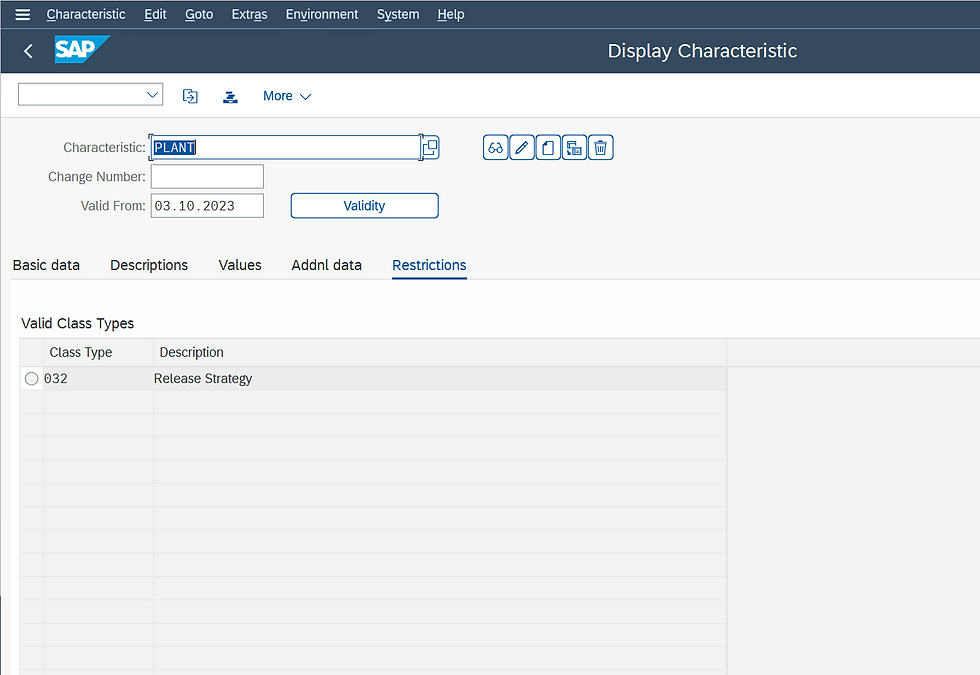
STEP 6: Create characteristics for Purchasing group, the Net value of the purchase order, and the Purchase Organization with reference of SE16N or SE16.
Edit Class
You use a class to group characteristics that are to constitute a release condition for a release strategy. In the " Define Release Procedure for Purchase Orders" step, you assign this class to the release strategy.
Path to Edit Class
IMG ⇒ Materials Management ⇒ Purchasing ⇒ Purchase Order ⇒ Release Procedure for Purchase Order ⇒ Edit Class
T Code: CL02
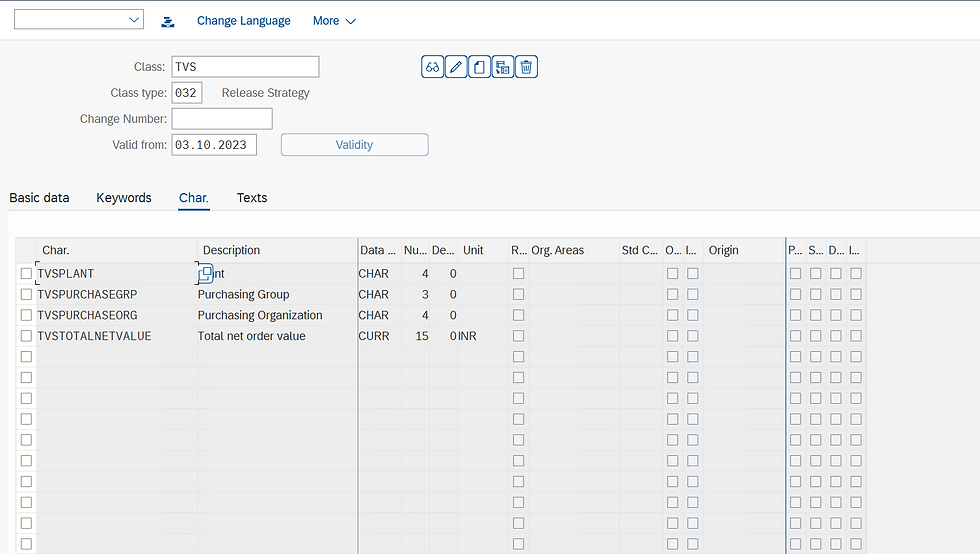
STEP 1: On the Display IMG screen, select Edit Class, by following the above path.
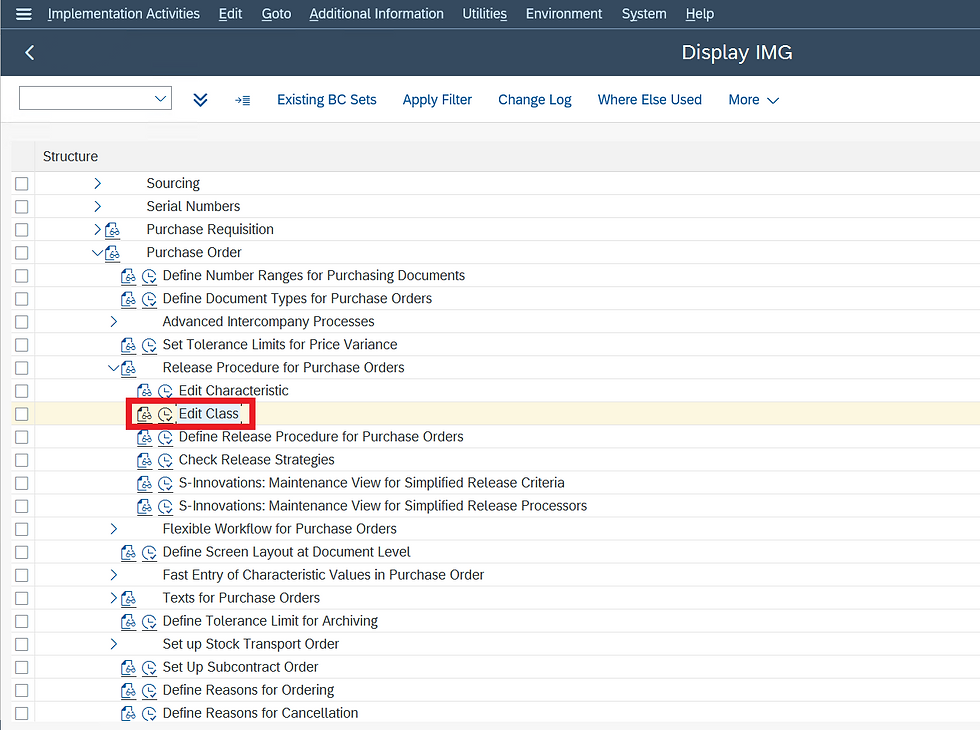
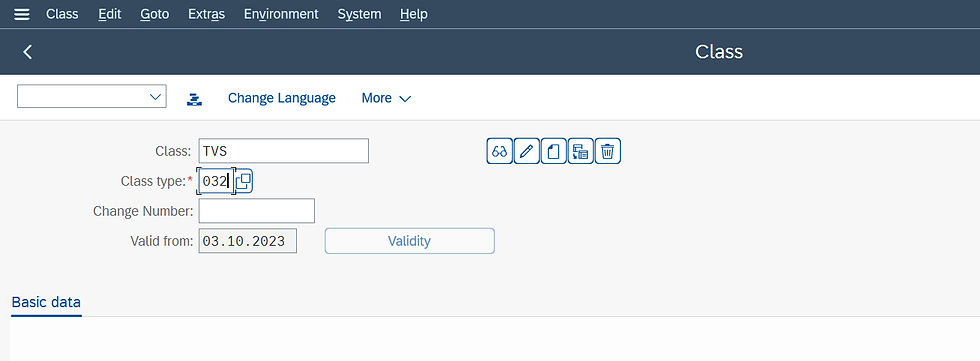
STEP 2: Enter the Class Name and class type as 032, the release strategy.
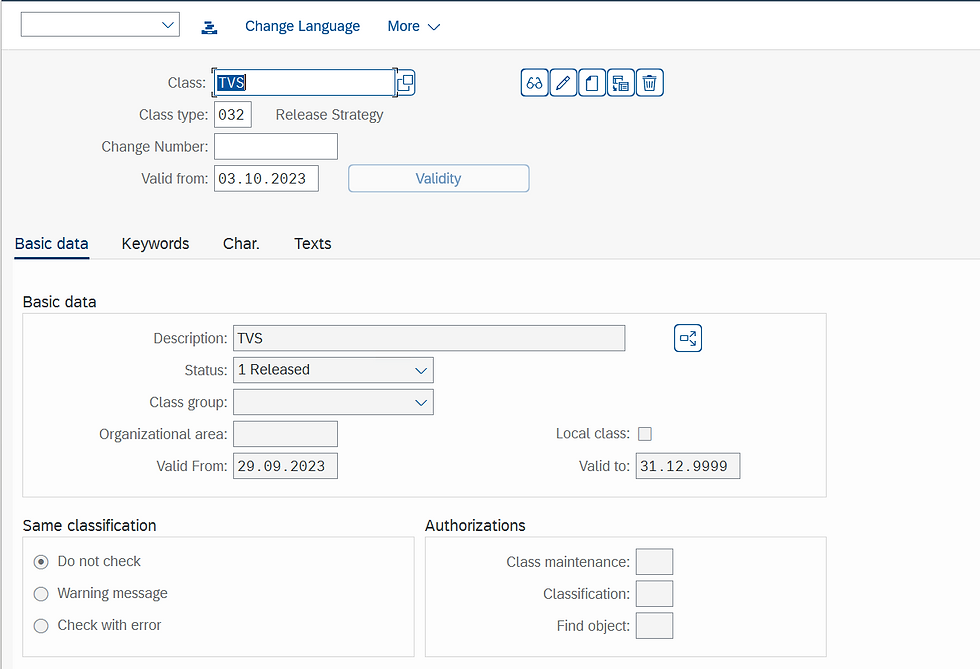
STEP 3: In basic data fill in the description.
STEP 4: In characteristics fill all characteristics that we created in characteristics and save.
Define Release Procedure for Purchase Orders
In this step, you set up the release procedure for purchase orders (POs) and can link it to the workflow.
Path to Edit Class
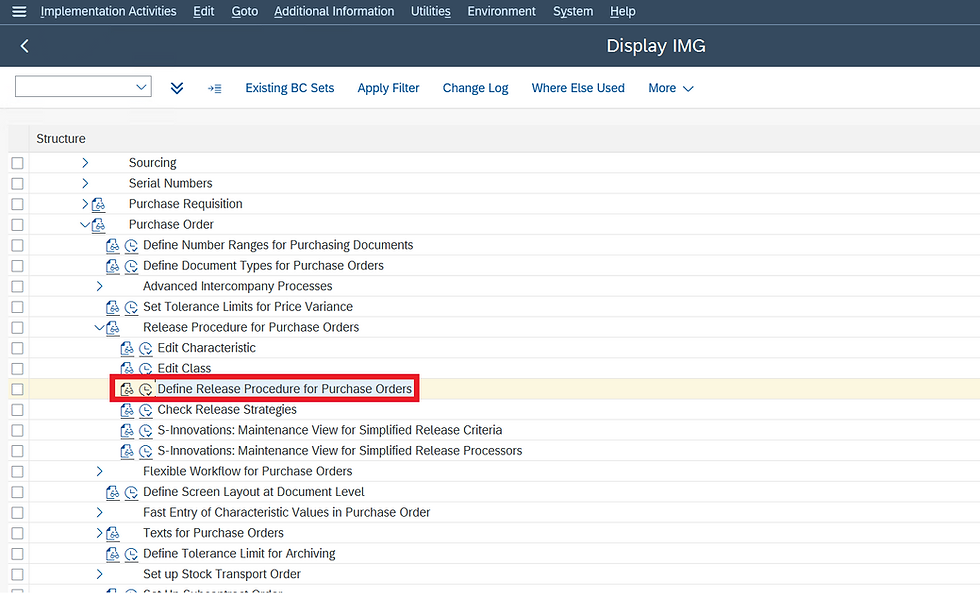
IMG ⇒ Materials Management ⇒ Purchasing ⇒ Purchase Order ⇒ Release Procedure for Purchase Order ⇒ Define Release Procedure for Purchasing Order
STEP 1: On the Display IMG screen, select Define Release Procedure for Purchasing Order, by following the above path.
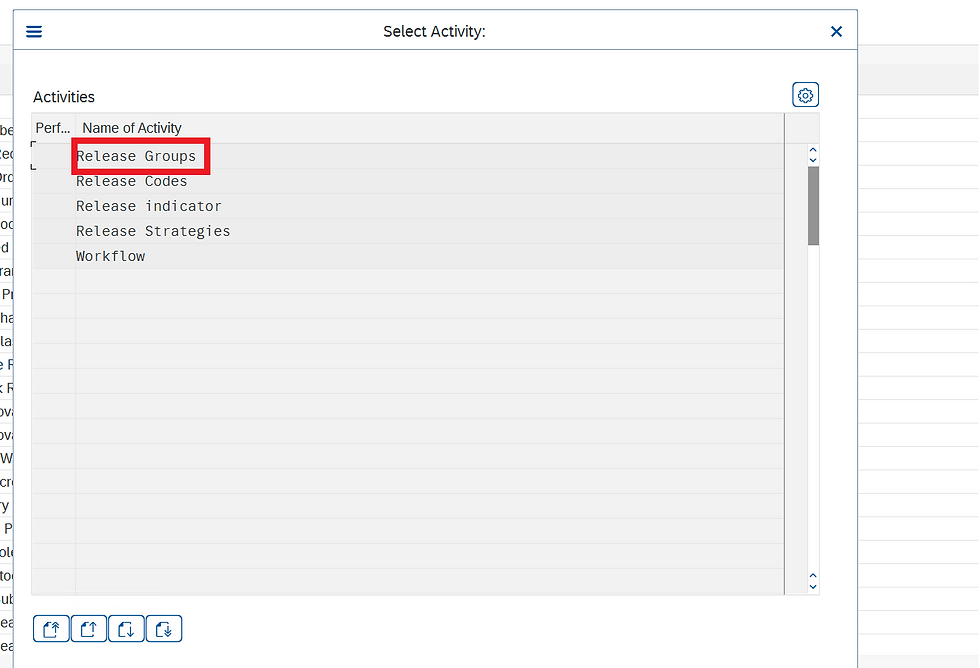
STEP 2: In Define Release Procedure for Purchasing Order, select Release Group.
Here we create a release group for the release procedure and assign it to a class. In the process, we assign release conditions to the release procedure.
STEP 3: Click on new entries to create a Release Group.
Note: We can have only one release group in a system.
Fill in Release Group Name, Class, Description, and Save.

STEP 4: In Define Release Procedure for Purchasing Order, select Release codes.
Here we create the release codes you need for your release strategy and assign the codes to your release group. If a release code is to be used in workflow, indicate this accordingly in the Workflow field.
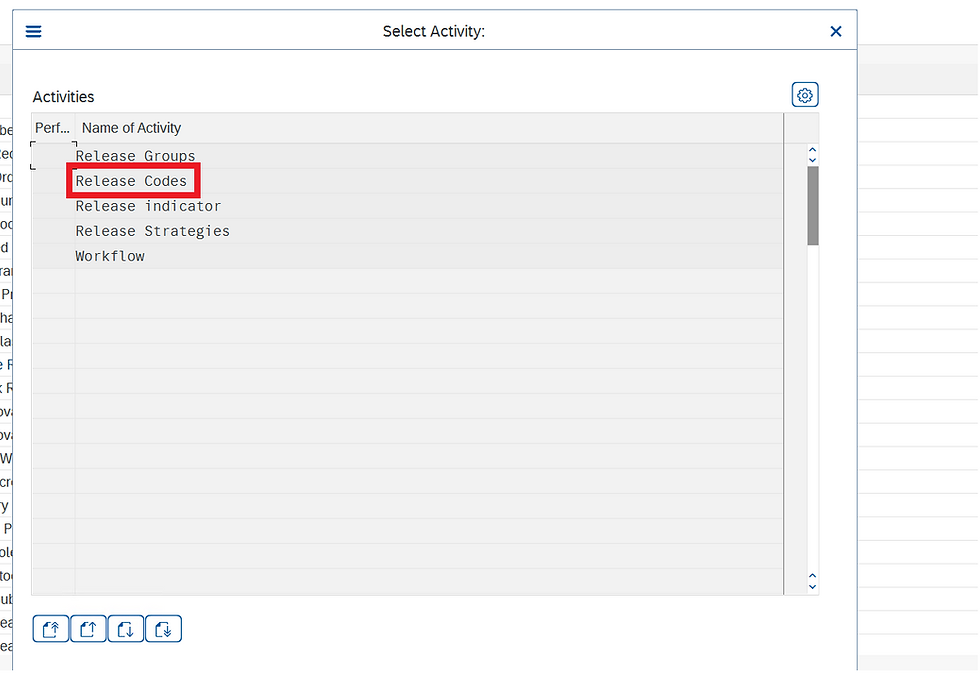
STEP 5: Click on the New Entries to create release codes.
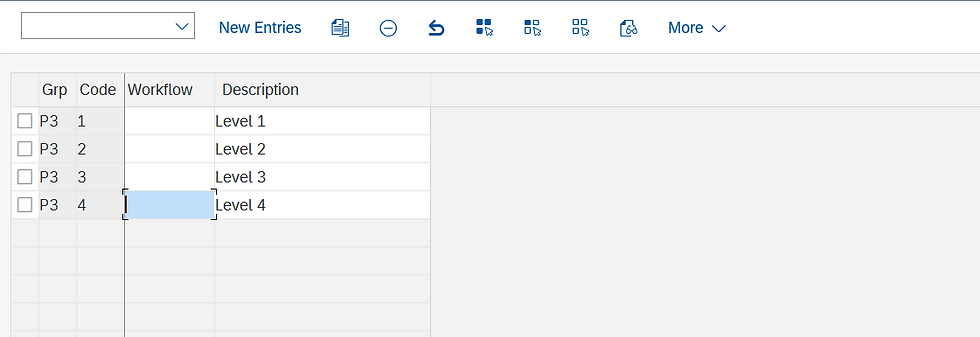
STEP 6: Fill in Fields like Release group, release codes, and save.

STEP 7: In Define Release Procedure for Purchasing Order, select Release Indicator.
A release indicator shows the release status of a PO.
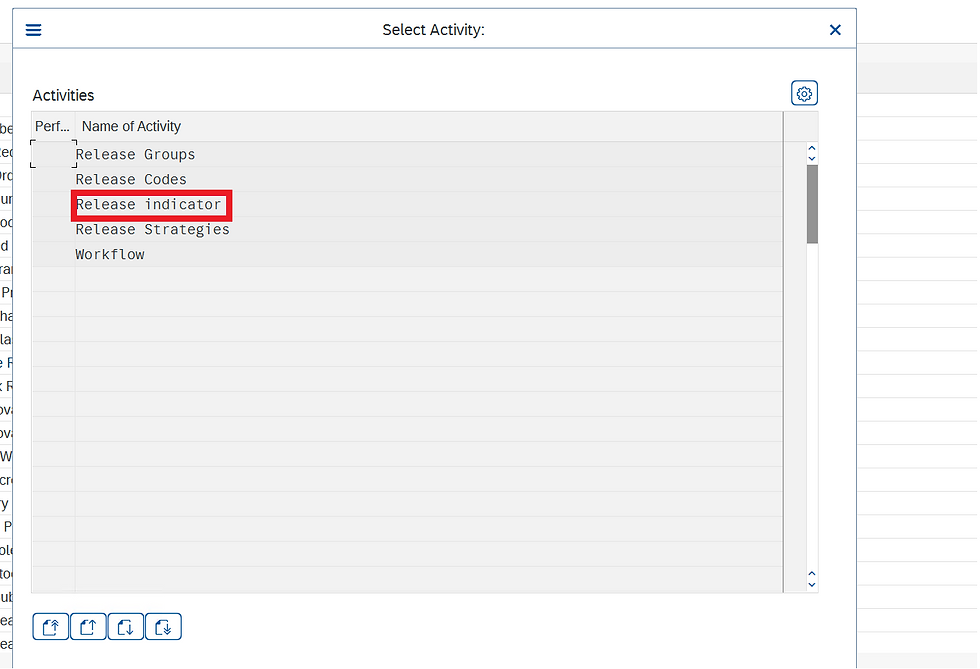
STEP 8: Click on New Entries to create a new release indicator.
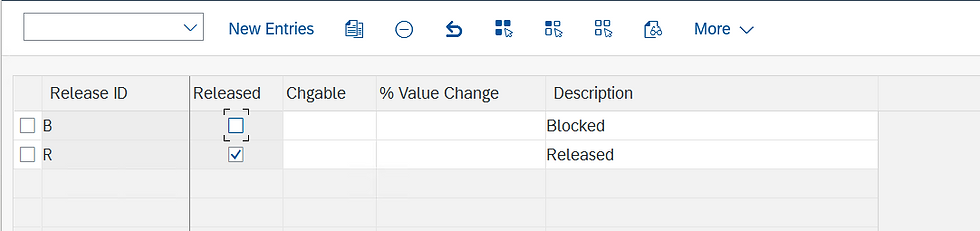
STEP 9: Fill in the release ID, Released status, changeable, and description, and save.
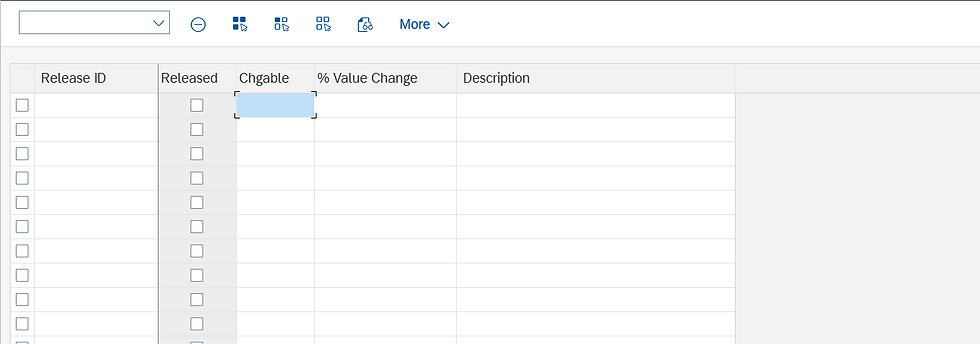
STEP 10: In Define Release Procedure for Purchasing Order, select Release Strategies.
Here we create a release strategy for your release group and assign your release codes accordingly.
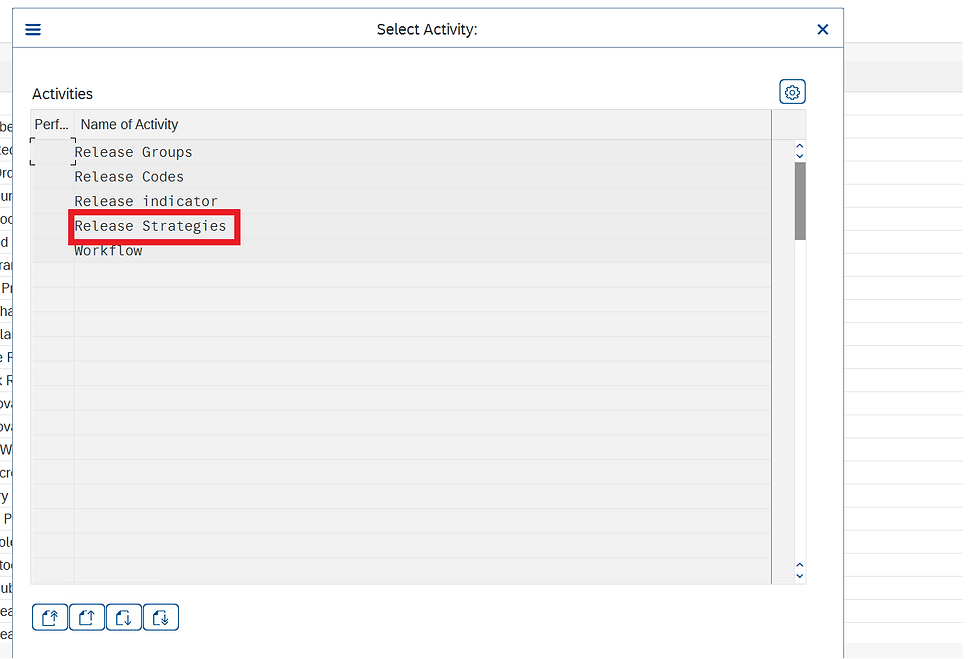
STEP 11: Click on the new entries to create a new release strategy.
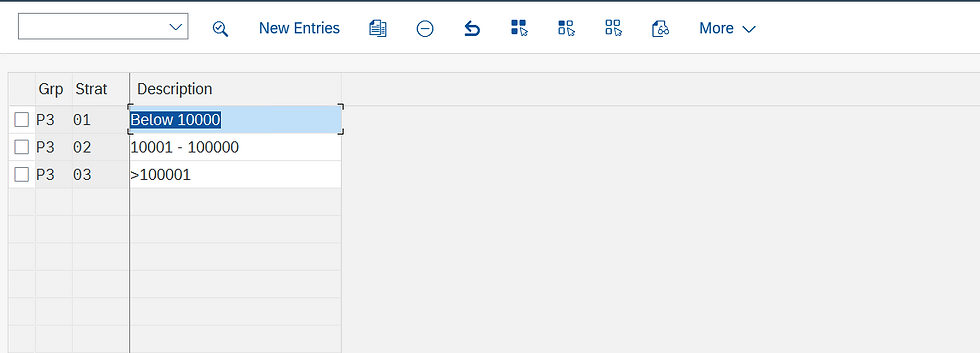
STEP 12: Fill in the Release group, Release Strategy name and description, and Release Codes.
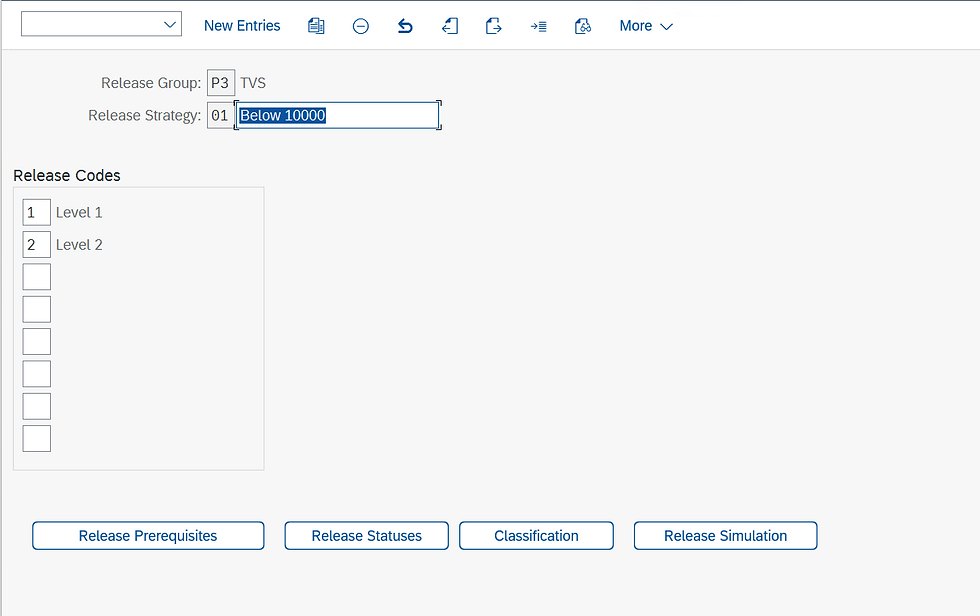
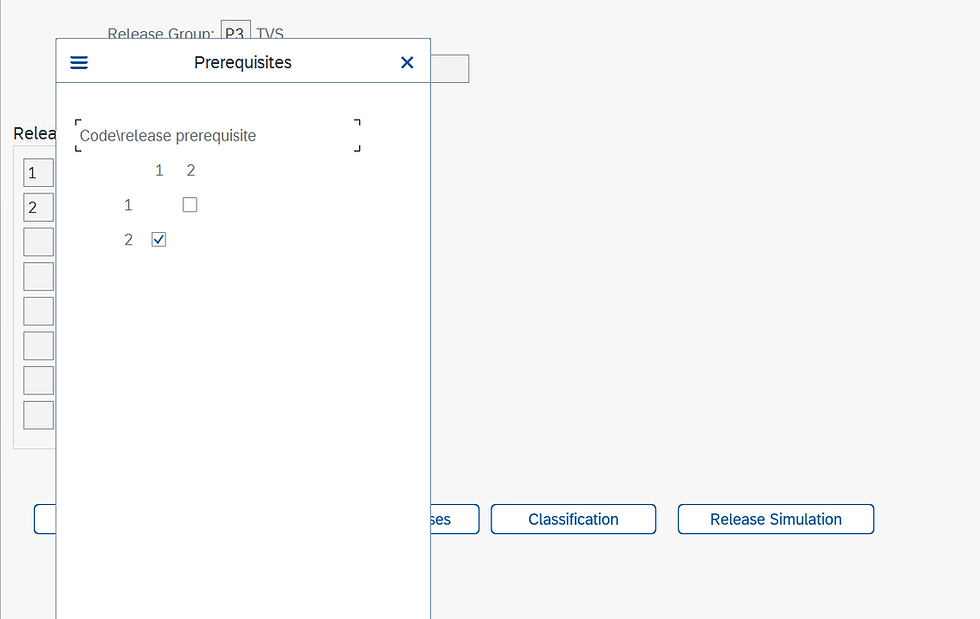
STEP 13: Click on the Release Prerequisite, select the release codes according to business requirements, and click on Continue.
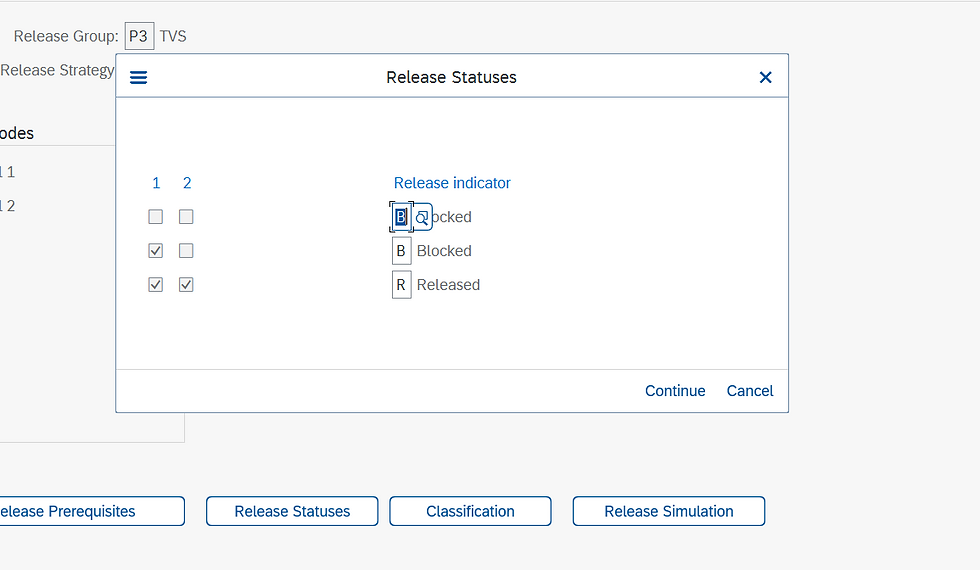
STEP 14: Click on Release Statuses, assign release codes with release indicators, and click on Continue.
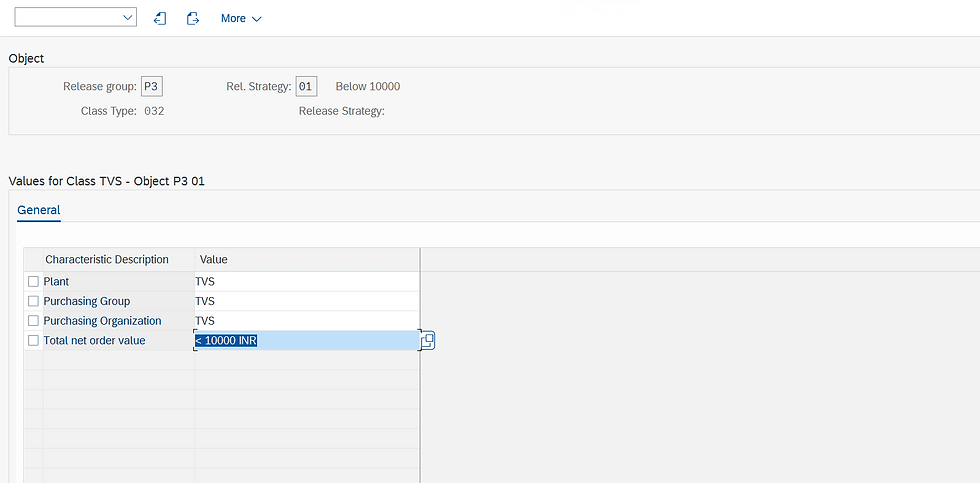
STEP 15: Click on classification, and fill in the values of all the characteristics.
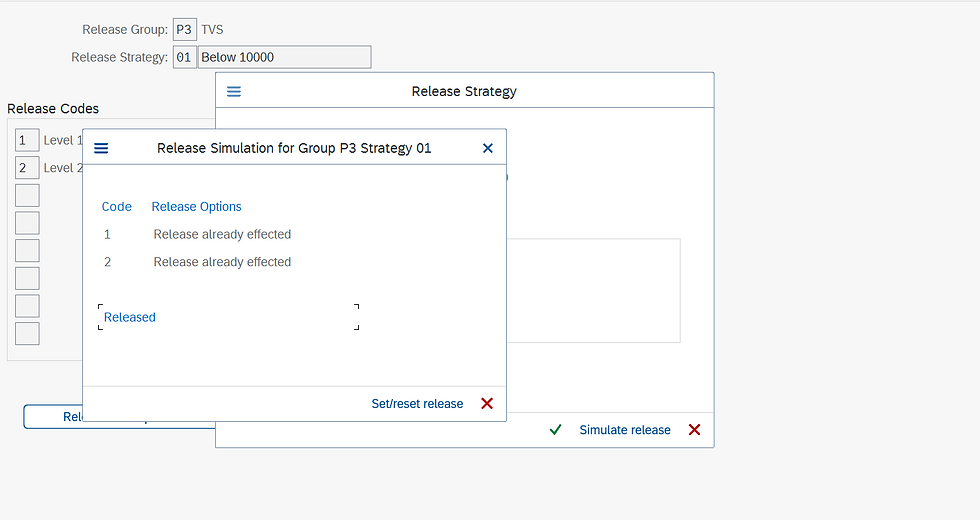
STEP 16: Click on Release Simulation, to Check strategy is working properly.

STEP 17: Click on simulate release for a simulation of the release strategy.
Click on save to save the release strategy.
Thank you for taking the read this blog
Upcoming SAP S/4 HANA Finance (FICO) online weekend batch
Enroll today: https://www.gauravconsulting.com/product-page/sap-s-4-hana-finance-beginners-live-training
For complete video package of FI, CO, SD, MM, FSCM, CFIN, Logistics & RAR visit the link
#SAPMM #SAPMMEnterpriseStructure #SAPMMArchitecture #EnterpriseStructure #SAPMMInsights #SAPMMEfficiency #SAPMMImplementation #SAPMMSuccess #SAPMMTips #SAPMMAutomation #SAPMMBestPractices #SAPMMEducational #SAPMMGuide #SAPMMExpertise #SAPMMTraining #SAPMMConsulting #SAPMMWorkflow #SAPMMSolutions #SAPMMBusinessProcesses #SAPMMConsultants


Khi đang tìm hiểu một số website khác, mình tình cờ thấy VIPWIN được nhắc tới nên mở vào xem qua. Mình chỉ quan sát tổng thể cách trang bố trí nội dung, không có ý định đi sâu vào từng chuyên mục. Ấn tượng ban đầu là giao diện được chia khá mạch lạc, các khu vực có sự tách biệt nên nhìn không bị dồn dập. Tiêu đề từng phần được trình bày rõ ràng, nhờ đó khi cuộn xuống vẫn dễ biết mình đang ở đoạn nào.
Mình tình cờ ghé 32 win sau khi thấy một số người nhắc đến website này trên mạng. Mình không dành nhiều thời gian tìm hiểu chuyên sâu mà chủ yếu xem tổng thể giao diện, thanh menu và cách các phần nội dung được sắp xếp. Tổng thể, website có cách trình bày gọn và khá dễ theo dõi. Sau vài phút lướt qua, mình thấy những khối thông tin được bố trí khá mạch lạc, mỗi khu vực có tiêu đề rõ nên dễ phân biệt khi cuộn trang.
A heartfelt thank you to Rize Takip Et for sharing this wonderful post and for your continued support. We truly appreciate your kindness and effort in showcasing the beauty and values of Rize. Much appreciated!
luck8 khiến tôi chú ý đến cách hệ thống thích ứng với không gian hiển thị nhỏ. Tôi truy cập game bài, nổ hũ và lô đề trên giao diện di động để quan sát cách danh mục được thu gọn. Những thành phần quan trọng vẫn dễ nhận biết, trong khi nội dung được sắp xếp gọn hơn để tránh cảm giác chật chội. Tôi tiếp tục chuyển giữa các khu vực nhằm kiểm tra tính nhất quán của bố cục. Các vị trí điều hướng chính vẫn khá quen thuộc nên tôi không mất nhiều thời gian làm quen lại. Điều này giúp trải nghiệm trên màn hình nhỏ giữ được sự thuận tiện và hỗ trợ thao tác…
hitclub giúp mình đánh giá rõ hơn khả năng sắp xếp nội dung khi trải nghiệm nhiều phiên truy cập liên tiếp. Mình bắt đầu từ khu vực game bài rồi chuyển sang casino trực tuyến, nổ hũ và bắn cá để quan sát sự nhất quán của giao diện. Các nhóm nội dung được phân chia hợp lý, nhờ đó mình không mất nhiều thời gian xác định vị trí cần tìm. Những thành phần như khu vực hiển thị và chức năng chuyển trang được trình bày khá mạch lạc, hỗ trợ thao tác liên tục. Khi thử sử dụng trên cả máy tính và điện thoại, mình nhận thấy bố cục vẫn giữ được sự đồng bộ, tốc…